Remodeling is exciting until the dust settles, literally. Drywall, sanding and demolition dust is extremely fine, travels through the whole house and clings to every surface. Cleaning it takes a specific approach.
Why construction dust is different
Standard dusting just moves it around. Fine particles can clog filters, settle into vents and keep coming back for days. A thorough post-renovation clean uses the right tools: HEPA-filter vacuums, damp microfiber and a strict top-to-bottom order.
Step 1: Let it settle, then ventilate
Wait for the work to be finished and the air to settle. Open windows if the weather allows, and run fans pointing out. Cover or close vents in unaffected rooms before work begins whenever possible.
Step 2: Remove debris and protective coverings
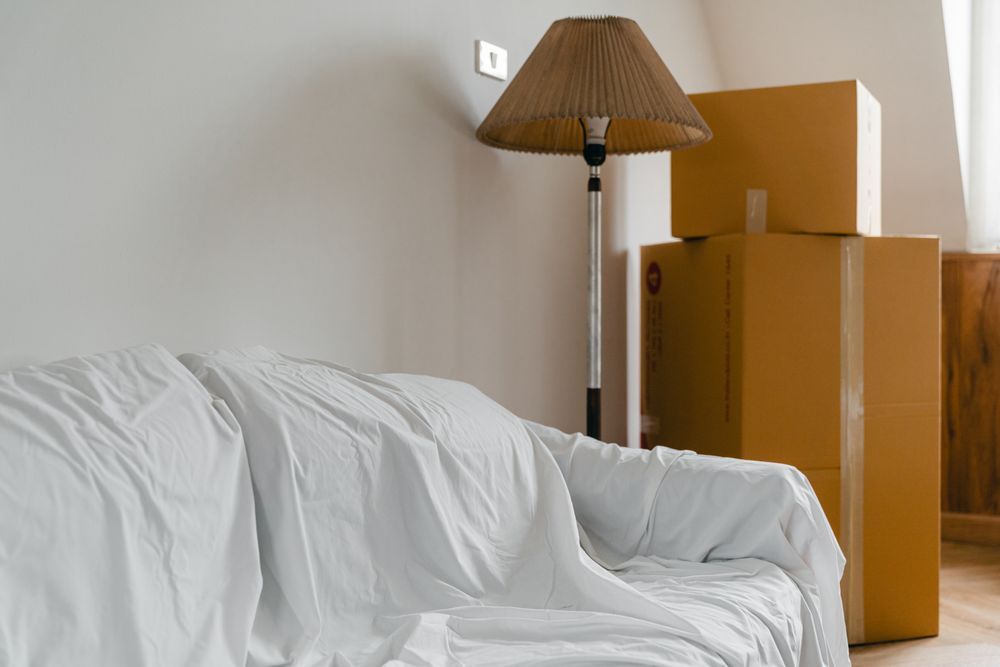
Carefully roll up plastic sheeting and drop cloths, folding dusty surfaces inward. Dispose of leftover materials and remove tape and stickers from new windows and fixtures.
Step 3: Dry vacuum first, with HEPA if you can
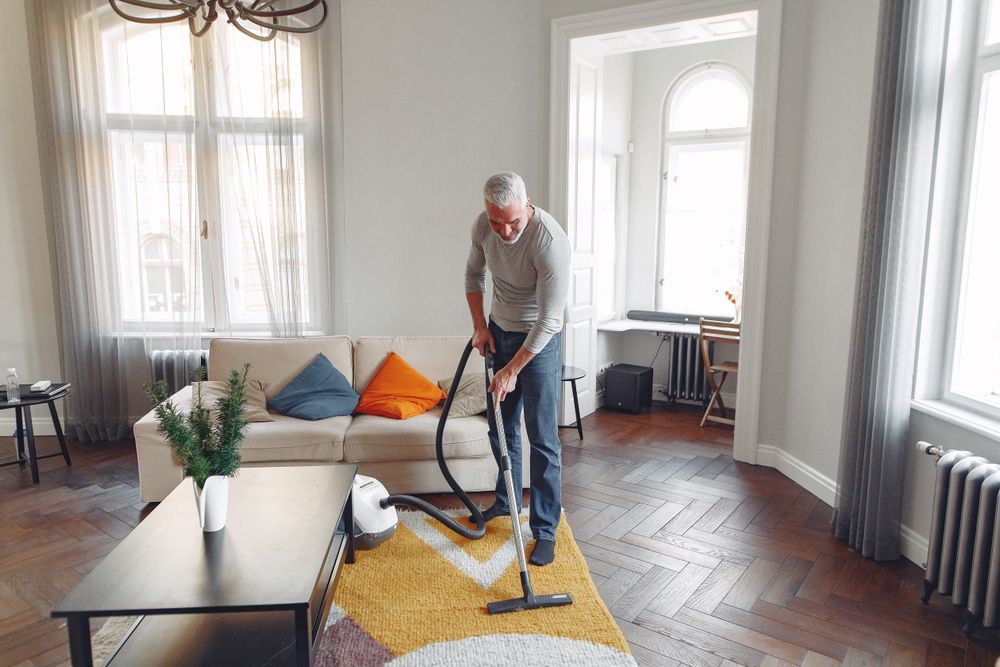
Vacuum everything dry before using any water. Start at the ceiling, then walls, vents, fixtures, shelves and floors. A HEPA vacuum captures fine dust instead of exhausting it back into the room. Wetting dust first turns it into paste that is harder to remove.
Step 4: Wipe, top to bottom
- Ceilings, ceiling fans and light fixtures
- Walls and trim; use a lightly damp microfiber
- Vents, registers and return grates
- Windows, frames, sills and tracks
- Cabinets, inside and out, and shelving
- Counters and appliances
- Switches, outlets and doors
Change cloths often. A dusty cloth only redistributes the problem.
Step 5: Bathrooms and kitchens
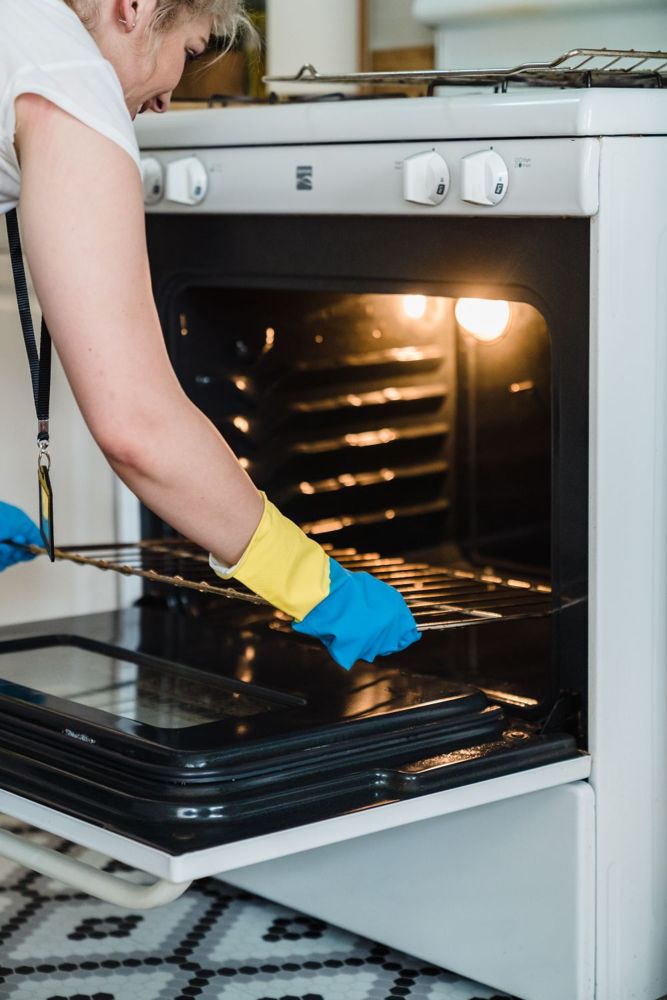
These rooms collect dust and then trap it in moisture. Scrub and disinfect fixtures, tile and grout, clean the inside of drawers and cabinets, and polish new surfaces according to the manufacturer's instructions.
Step 6: Floors last
Vacuum again, then mop hard floors. Carpet and upholstery that were in the work zone often need professional carpet cleaning to pull out fine particles from deep in the fibers.
Step 7: Replace filters
Change your HVAC filter after the project, and consider a second change a few weeks later. Dust in the system will otherwise recirculate.
When to hire a pro
If the project was large, if multiple rooms were affected or if you simply want it done well and fast, a professional post-renovation clean is worth it. It is one of those jobs where the right equipment and a trained crew make a visible difference. Vents, window tracks and the tops of cabinets are the spots most often missed.
Frequently asked questions
How long does construction dust last?
It can keep resurfacing for days or weeks if it is not removed with proper vacuuming and wiping. Replace HVAC filters to stop it recirculating.
Should the contractor clean up?
Contractors usually do a rough cleanup. A detailed final clean is a separate step, and it is common to hire a cleaning company for it.
Ready for a spotless space?
Tell us about your space and we will get back to you the same day with a free quote.